Poison Ivy
First Impression: A Bold Warning in Embroidery
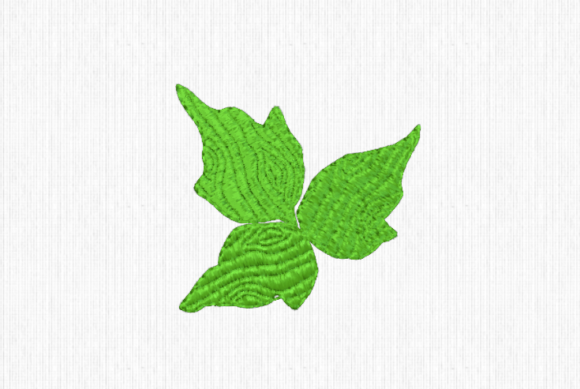
The first glance at Poison Ivy immediately signals a design that is both informative and eye-catching. With its unmistakable three-leaf structure, it feels bold and ready for any craft fair display. The design exudes a rustic charm that aligns well with the outdoor and handmade markets. It’s not just a plant; it's a statement. This machine embroidery design stands out as a useful reminder for campers and hikers, making it a perfect fit for practical yet decorative products.
Design Versatility: From Tote Bags to Caps
Poison Ivy performs exceptionally well on a wide range of craft fair products. On tote bags, it adds a subtle yet memorable accent that draws attention without overwhelming the overall design. When embroidered on aprons, it becomes a functional and stylish element that customers will appreciate. Tea towel embroidery benefits from the design’s clarity, especially when paired with contrasting thread colors.
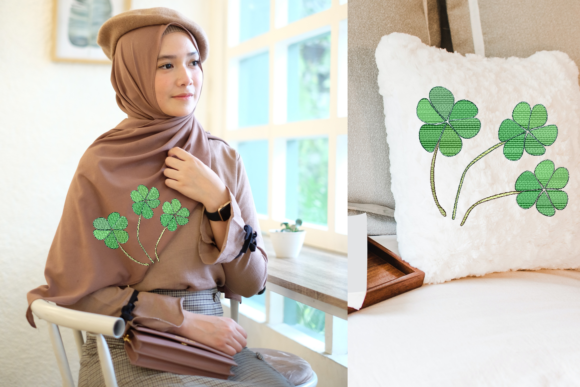
As an embroidered patch, Poison Ivy is ideal for caps, fabric pouches, and market bags. Its compact size makes it easy to apply to small surfaces, while still maintaining visual impact. For pillow covers and handmade gifts, the design offers a unique touch that can elevate the product’s value. The key is ensuring the embroidery file is optimized for each product type, particularly considering fabric texture and stitch density.
Photography and Online Listings: Capturing Attention
When it comes to online listings, Poison Ivy shines with its clear and recognizable form. The design should photograph well on various backgrounds, especially when displayed against light-colored fabrics or white backgrounds. Etsy sellers and digital embroidery file creators should ensure that printable mockups accurately represent the finished product. High-quality images are essential for showcasing the design’s details and appeal.
For small shop products, the ability to create consistent and appealing visuals is crucial. Poison Ivy’s simplicity allows for easy repetition across multiple items, which supports batch production and maintains brand consistency. However, care must be taken with thread colors and stabilizer use to ensure the design remains sharp and vibrant.
Practical Production Notes for Embroidery Designers
Before jumping into production, it’s important to test the design on scrap fabric. Check thread contrast to ensure visibility, especially on dark fabrics where the design may lose clarity. Review stitch spacing and density to prevent overcrowding, which can affect both the appearance and durability of the finished product.
Confirming hoop size is another critical step. Some designs may require larger hoops for better coverage, especially when applied to textured towels or curved cap surfaces. Using the right stabilizer is essential for maintaining fabric integrity and preventing puckering. Always create at least one real mockup before mass production to ensure quality and accuracy.
Careful Use: Avoiding Common Pitfalls
While Poison Ivy is a strong design, there are some considerations to keep in mind. Dense stitch areas can be challenging on thick fabrics, potentially leading to uneven stitching or fabric distortion. Tiny details and small lettering may not render well at smaller sizes, so it’s important to test the design on different scales.
Additionally, the design may not perform as well on dark or textured fabrics. For best results, recommend using lighter-colored fabrics or adjusting thread colors to enhance visibility. These careful-use notes are especially relevant for Etsy sellers and small shop product creators who rely on high-quality finished products to stand out in competitive markets.
Visual Appeal and Customer Engagement
Poison Ivy has the potential to significantly boost visual appeal and customer engagement at a craft fair booth. Its distinctive shape and meaningful message make it a conversation starter, encouraging buyers to ask questions and learn more about the product. The design’s practicality also adds value, as it serves a purpose beyond aesthetics.
For handmade product creators, this design offers a way to blend functionality with artistry. Whether used on a tea towel, a cap, or a market bag, Poison Ivy adds a unique touch that resonates with eco-conscious and outdoorsy customers. It’s a great choice for those looking to build a brand around nature-themed embroidery.
Booth Display and Brand Consistency
In terms of booth display strength, Poison Ivy is a versatile asset. It can be featured on a variety of products, allowing for a cohesive and visually appealing setup. The design’s presence on multiple items helps reinforce brand identity and creates a memorable experience for visitors.
Consistency is key for small shop product creators. By using Poison Ivy across different product lines, you can maintain a unified look that strengthens your brand and attracts repeat customers. This is especially valuable for boutique makers and creative entrepreneurs aiming to build a loyal following.
Final Thoughts: A Strong Choice for Craft Fair Success
Poison Ivy is a well-rounded machine embroidery design that offers both aesthetic appeal and practical value. Its ability to adapt to various products makes it a strong contender for craft fair booths and handmade market displays. With proper attention to detail and production practices, this design can become a standout item in any small shop product lineup.
Embroidery designers and Etsy sellers should take the time to review all design assets carefully before moving forward. By doing so, they can ensure that Poison Ivy is presented in the best possible light, maximizing its chances of success in the competitive world of handmade and commercial embroidery.