Sweet Flower
A Delightful Addition to Your Embroidery Toolkit
As an experienced embroidery designer, I’ve had the pleasure of reviewing countless machine embroidery designs over the years. Sweet Flower stands out not just for its visual charm but also for its versatility and practicality in real-world applications. Whether you're crafting custom apparel, handmade gifts, or boutique merchandise, this design offers a fresh and cheerful touch that can elevate your projects.
First Impressions: A Bright and Cheerful Design
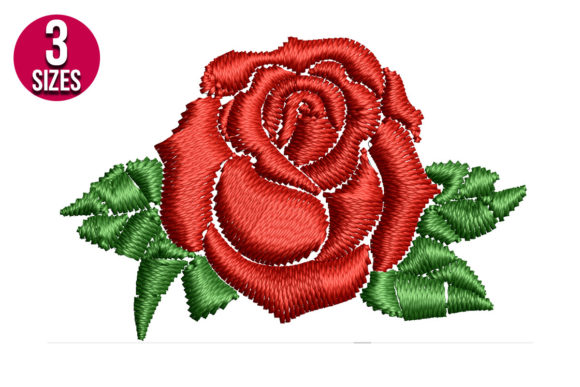
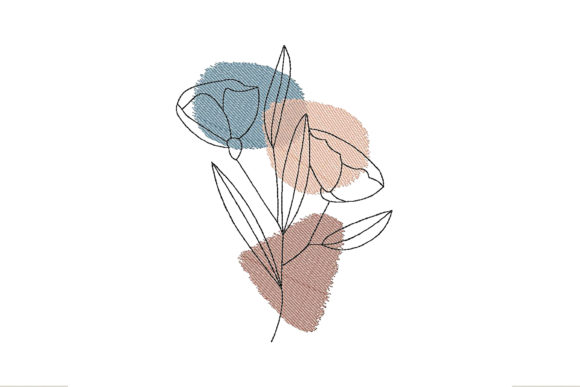
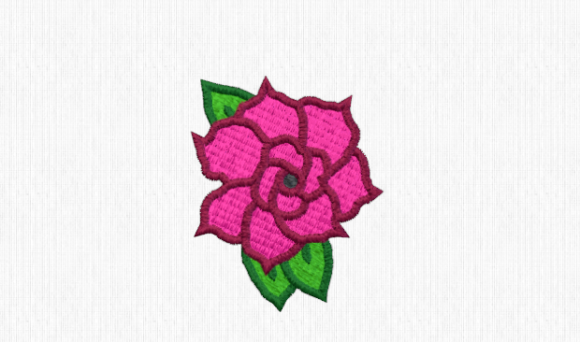
Upon first glance, Sweet Flower immediately captures attention with its vibrant colors and delicate details. The flower features a soft, rounded shape with layered petals that give it a dimensional quality. Its design is clean yet expressive, making it ideal for both subtle and bold applications. The stitching style blends satin stitch with fill stitch, creating a soft, fluffy appearance that feels warm and inviting.
The overall mood of Sweet Flower is playful and uplifting, which makes it perfect for items like baby blankets, kitchen towels, and seasonal gifts. It has a natural appeal that works well across a variety of fabric types, from cotton to linen, without overpowering the base material.
Practical Use in Real Projects
Sweet Flower is a versatile design that can be used in multiple ways. For custom apparel, it adds a charming detail to sweatshirts, tote bags, and caps. On a cap, the curved surface requires careful placement, but the design’s compact size makes it manageable even on smaller hoops. It also works beautifully as an embroidered patch, offering a portable and reusable option for craft fairs or Etsy listings.
When considering commercial embroidery, Sweet Flower's file formats are a plus. The availability of multiple embroidery files ensures compatibility with various machines and software. However, it’s always wise to check the product page for specific file details before committing to a purchase.
For handmade products like aprons, pillow covers, and nursery decor, the design’s brightness adds a cheerful element that appeals to a wide audience. It’s especially effective on light-colored fabrics, where the floral motif pops and creates a visually appealing contrast.
Considerations for Different Fabric Types
While Sweet Flower looks great on most fabrics, there are a few considerations to keep in mind. On dark fabrics, the design may require a contrasting thread color to ensure visibility. Testing on scrap fabric is always recommended to see how the design translates in real life.
For stretchy fabrics like denim or knit materials, using the right stabilizer is essential to prevent puckering. Similarly, when working with textured or layered fabrics, ensuring proper hoop size and tension settings will help maintain the design’s integrity.
Products that require frequent washing, such as kitchen towels or baby items, benefit from a durable embroidery process. Sweet Flower’s stitch density is moderate, which helps balance detail with longevity. However, inspecting the finished product after stitching is crucial to catch any minor issues, especially in small details like the flower’s center or leaf accents.
Enhancing Product Value and Brand Consistency
Incorporating Sweet Flower into your handmade products can significantly enhance their value. The design’s aesthetic appeal contributes to a cohesive brand identity, especially when used consistently across different items. Whether it’s a personalized gift or a boutique item, the flower adds a touch of personality that resonates with customers.
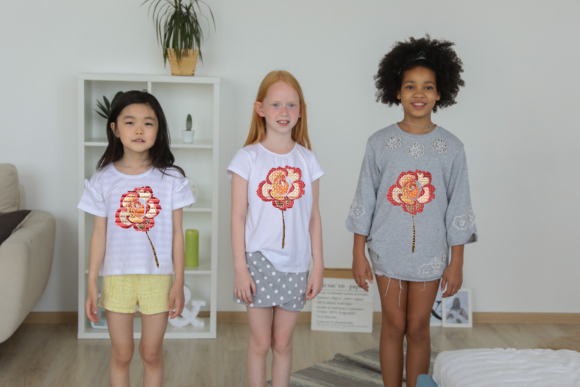
From a marketing perspective, the design’s visual impact makes it ideal for product photography. A well-lit mockup can showcase the design’s beauty and functionality, helping build buyer trust and engagement. When selling online, having high-quality images of Sweet Flower on your listings can make a big difference in customer perception and sales.
Embroidery Tips for Success
To ensure the best results when using Sweet Flower, consider the following tips:
- Test on scrap fabric to assess how the design performs on your specific machine and fabric type.
- Check thread color contrast to ensure visibility, especially on dark or light backgrounds.
- Review stitch density to avoid overly dense areas that may cause tension issues.
- Confirm hoop size to fit the design comfortably and prevent distortion.
- Compare light and dark fabric mockups to see how the design appears in different contexts.
- Use proper stabilizer to maintain fabric stability during stitching.
- Inspect small details after stitching to catch any imperfections.
- Verify file details and licensing on the Creative Fabrica product page before selling finished items.
By following these steps, you can maximize the potential of Sweet Flower and ensure that your finished products meet the highest standards of quality and presentation.